
Estimated reading time: 6 minutes
Key Takeaways
- Teletherapy offers accessibility and flexibility, but it can feel different and challenging for many individuals.
- To improve teletherapy effectiveness, prioritize privacy, reduce distractions, and create a comfortable environment.
- Keeping notes can help you start sessions with focus, while bringing real experiences fosters authenticity in therapy.
- Don’t hesitate to communicate needs during sessions; therapy is collaborative and can be adjusted for your comfort.
- Remember, while teletherapy isn’t the same as in-person therapy, it’s still a valuable space for personal growth.
Teletherapy didn’t just show up and leave.
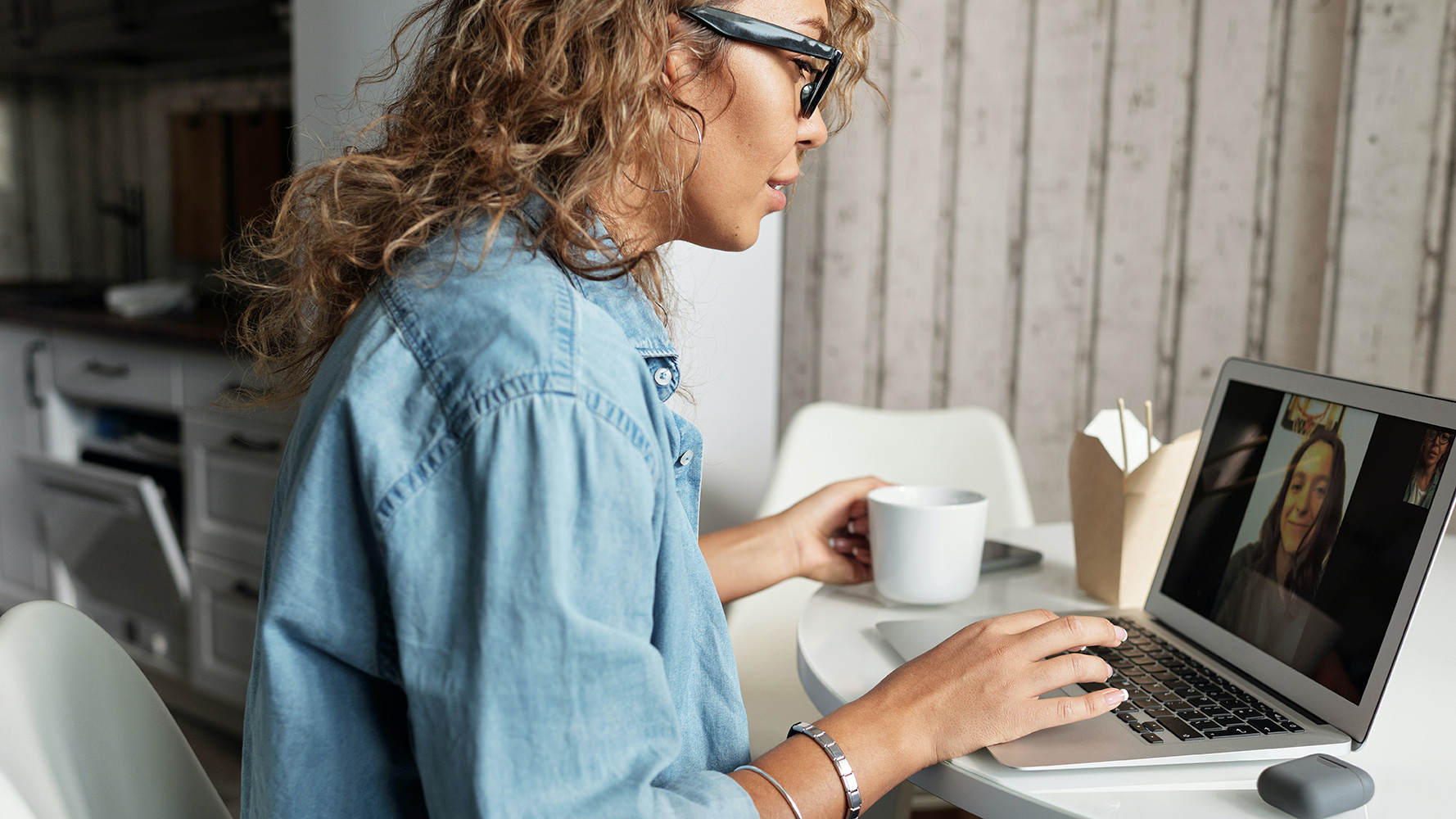
For a lot of people, it’s still a regular part of how therapy happens—and for good reason. It’s accessible. It’s flexible. It removes barriers like commute time, childcare, and scheduling.
But let’s be honest—it also feels different.
And if you’ve ever thought:
“This just isn’t the same…”
You’re not wrong.
Let’s Say the Quiet Part Out Loud
As both a therapist and someone who’s been on the other side of the screen, I can tell you:
Teletherapy can feel… flat sometimes.
The energy isn’t always the same.
You might miss subtle cues.
There’s a delay. A freeze. A glitch.
And then there’s real life happening in the background:
- Someone walking through the house
- Notifications popping up
- Pets, kids, noise
Or the bigger one:
Trying to find a full hour to yourself at home.
That’s not nothing.
So if teletherapy has felt like an adjustment for you, that makes sense.
But there are ways to make it feel more effective—and more like your space.
First: Protect Your Privacy (However You Can)
This one matters more than anything else.
Therapy works best when you feel like you can actually say what you need to say.
So ask yourself:
Where can I go where I won’t be interrupted?
That might be:
- A bedroom
- Your car
- A quiet corner of your home
- Even a bathroom (yes, really)
It doesn’t have to be perfect. It just has to feel safe enough.
Because if part of your brain is scanning for who might hear you, it’s going to be harder to open up.
Next: Reduce the Distractions (As Much As Possible)
You don’t need a perfectly curated setup.
But small adjustments go a long way.
Try:
- Putting your phone on silent (unless you’re using it for the session)
- Closing other tabs on your computer
- Turning off the TV
- Muting notifications
Also—think about your physical comfort.
Have water nearby.
Use the restroom beforehand.
Eat something if you need to.
It sounds basic, but if you’re uncomfortable, distracted, or counting down the minutes, it’s harder to stay present.
Then: Give Yourself a Starting Point
One of the hardest parts of therapy—especially virtually—is knowing where to begin.
When the session starts, it can feel like:
“Wait… what was I going to talk about?”
So instead of relying on memory, try keeping a running list throughout the week.
You can:
- Jot things down in your phone
- Keep a small journal
- Make note of moments, thoughts, or patterns
That way, when you show up, you don’t have to start from scratch.
Bring the Real Stuff (Even If It Feels Messy)
If your therapist gave you something to try—bring it back.
What worked.
What didn’t.
What you avoided completely.
All of it matters.
Because therapy isn’t about getting it “right.”
It’s about figuring out what actually works for you.
And sometimes, the most helpful conversations come from:
“I tried this… and it didn’t help at all.”
That’s not failure. That’s information.
Ask for What You Need in Session
Teletherapy can be more interactive than people realize.
If your therapist is referencing something—a worksheet, a visual, a video—you can ask them to share their screen.
If something isn’t landing, say that.
If you need more structure, more guidance, or more space—bring it up.
You’re allowed to shape the session.
Let’s Talk About Expectations
Teletherapy isn’t identical to in-person therapy.
It just isn’t.
But that doesn’t mean it’s less effective.
It means it requires a slightly different approach—from both you and your therapist.
There may be moments where it feels less connected.
There may be sessions that feel harder to get into.
There may be days where everything flows easily.
All of that is normal.
If You’re Struggling to Engage, You’re Not Alone
A lot of people feel:
- More distracted
- Less focused
- More self-conscious on camera
- Less emotionally connected
Especially if you’re dealing with anxiety, depression, trauma, or burnout.
So instead of assuming:
“This isn’t working”
Try asking:
“What would help this feel more supportive right now?”
Because often, small changes make a big difference.
A Simple Reframe
It’s easy to compare teletherapy to what it’s “supposed” to feel like.
But a more helpful way to look at it is this:
Something is still happening here.
You’re still:
- Showing up
- Talking through things
- Building awareness
- Practicing new ways of coping
And that matters.
A Final Thought
There’s a phrase I come back to often:
A done-something is better than a perfect-nothing.
Teletherapy might not be perfect.
But it’s still a space where you can:
- Be heard
- Work through what’s coming up
- Take steps forward
And in a world where it’s easy to put things off until conditions are “just right,” showing up anyway counts.
FAQ: Teletherapy
Is teletherapy as effective as in-person therapy?
Yes. Research shows teletherapy can be just as effective for many concerns, including anxiety, depression, and stress.
What if I feel awkward or uncomfortable on camera?
That’s very common. It usually gets easier over time, and you can always talk with your therapist about adjusting the setup.
What if I don’t have a private space?
Get creative—cars, outdoor spaces, or quieter rooms can work. The goal is finding somewhere you feel safe enough to talk.
What if I don’t know what to talk about?
Keep notes during the week. Even a few bullet points can help you get started.
Can I ask my therapist to change how sessions are structured?
Absolutely. Therapy works best when it’s collaborative.
What if teletherapy just doesn’t feel right for me?
That’s okay too. You can talk with your therapist about other options or adjustments.
If teletherapy has felt like an adjustment, you’re not doing it wrong.
You’re just learning how to use a different format.
And like anything else—it gets easier with practice.
Now that you have some tips to tackle your next teletherapy session, schedule an appointment with a Bright Spot Therapy therapist today.
A Gentle Reminder
This content is meant to offer perspective, education, and a place to feel a little more understood—not to tell you what you should do. Mental health isn’t one-size-fits-all, and the best decisions about therapy, medication, or support come from working with a licensed provider who knows you and your story.
About the Clinical Team
This piece was created by the licensed clinical team at Bright Spot Counseling and EMDR Treatment Center, a Michigan-based practice specializing in trauma-informed therapy, anxiety treatment, and thoughtful, individualized care.