
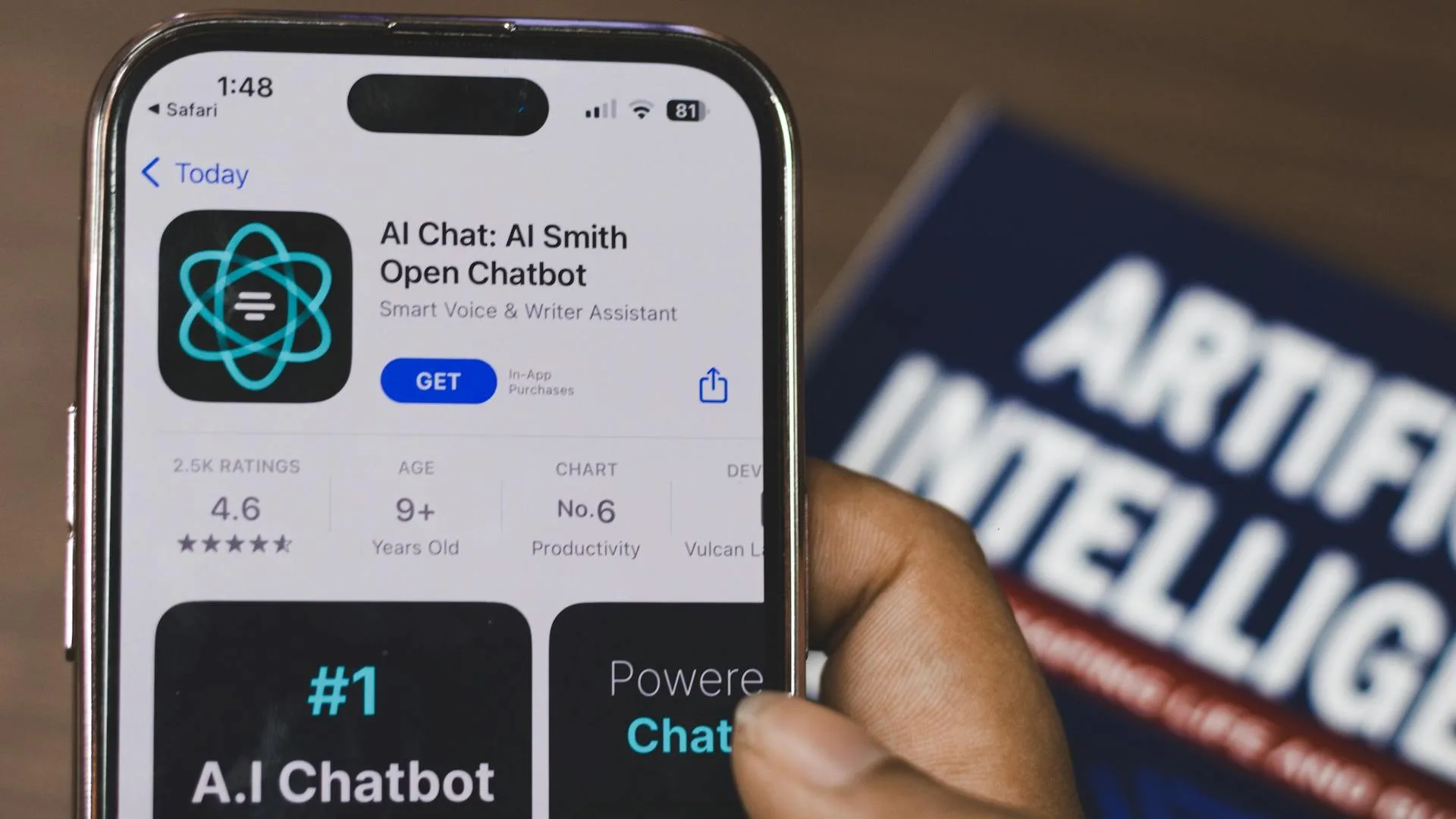
There’s a new place people are going to tell the truth.
Not therapy.
Not their partner.
Not even their closest friend.
Here.
To something that doesn’t flinch.
Doesn’t get overwhelmed.
Doesn’t need you to say it more clearly, more gently, less intensely.
Just listens. Responds. Stays.
And if you’ve ever thought, this feels easier than talking to a real person—
You’re not wrong.
But that doesn’t mean it’s neutral.
Why This Feels So Good (Especially If You’re Overwhelmed)
If you struggle with anxiety, you already know the math of every conversation.
What to say.
How to say it.
How it might land.
How to recover if it lands wrong.
If you’re dealing with depression, it’s heavier.
Everything feels harder to explain.
And easier to keep to yourself.
If you’re high-functioning on the outside—but constantly overwhelmed inside—you’ve probably gotten very good at editing yourself.
AI removes all of that.
No performance.
No second-guessing.
No emotional risk.
Of course that feels like relief.
The Part No One Is Talking About
AI lets you feel understood without requiring you to be known by another human.
And that distinction matters.
Because real connection—the kind that actually helps with anxiety, depression, and trauma—has friction.
People misunderstand you.
They respond imperfectly.
They don’t always say the right thing.
That’s not failure.
That’s relationship.
What the Research Is Starting to Show
Emerging research suggests that frequent AI use for emotional support may be linked to increased loneliness and depressive symptoms over time.
Some studies show AI can reduce loneliness temporarily—but those effects don’t always last once the interaction ends. (Source)
The New Kind of Loneliness
You have people.
You have conversations.
But the easiest place to be yourself…is still a screen.
That’s a different kind of loneliness.
Why Therapy Still Matters
AI can help you understand yourself.
But therapy helps you feel known—in a real relationship.
That’s what actually shifts anxiety, depression, and burnout.
If you’re feeling overwhelmed, anxious, or disconnected, therapy can help.
FAQ
No—but relying on it instead of real connection may increase loneliness over time.
Because there’s no fear of judgment, misunderstanding, or emotional burden.
No. Therapy provides real human connection, which is essential for long-term mental health.
Because people are complicated.
We worry about saying the wrong thing.
We worry about being misunderstood.
We worry about being too much.
AI doesn’t have bad days.
It doesn’t look distracted.
It doesn’t change the subject.
It doesn’t need anything from you.
Of course that feels appealing.
Especially if you’ve spent a lot of your life trying to make yourself easier for other people to handle.
How Do I Know If I’m Relying on AI Too Much?
Here’s the question I’d ask:
When something important happens, who do you want to tell?
If the answer is always AI, get curious about that.
Not ashamed.
Curious.
Sometimes people use AI as a tool.
Sometimes they use it because they’re lonely.
Sometimes it’s both.
The goal isn’t to use AI less.
The goal is to make sure you still have places where you can be fully human with actual humans.
Not necessarily.
But it’s worth paying attention to.
Sometimes when people say they feel more understood by AI, what they really mean is:
“I don’t feel understood by the people around me.”
Those aren’t the same thing.
One is about technology.
The other is about loneliness.
Or exhaustion.
Or spending years being the person who listens without being listened to.
If you find yourself feeling more seen by a screen than by the people you love, don’t judge yourself.
Just get curious.
You may not need less AI.
You may need more places where you can be yourself.
Because being around people and feeling connected to people are two different things.
You can spend all day answering emails, texting friends, sitting in meetings, scrolling social media, and still feel completely alone.
Most people don’t need more interaction.
They need more honesty.
More relationships where they don’t have to perform.
More places where they can say:
“Actually, I’m not doing great.”
And trust that someone will stay.
Connection isn’t measured by how many people you talk to.
It’s measured by how safe you feel being yourself.
Then this question is probably long overdue.
Many people who seek therapy are the strong ones.
The responsible ones.
The dependable ones.
The people who always show up.
The people who know how everyone else is doing.
The people nobody thinks to ask.
Over time, constantly being the support system can become its own kind of loneliness.
Not because you don’t love the people in your life.
But because everyone deserves a place where they don’t have to be the strong one.
Including you.
Especially you.
AUTHOR BIO
Written by Ginger Houghton, LMSW, CAADC
Ginger Houghton is a licensed clinical social worker and certified advanced alcohol and drug counselor specializing in anxiety, depression, trauma, and burnout. She works with women and young adults who feel overwhelmed, stuck in overthinking, or disconnected.
She is the founder of Bright Spot Therapy in Michigan.