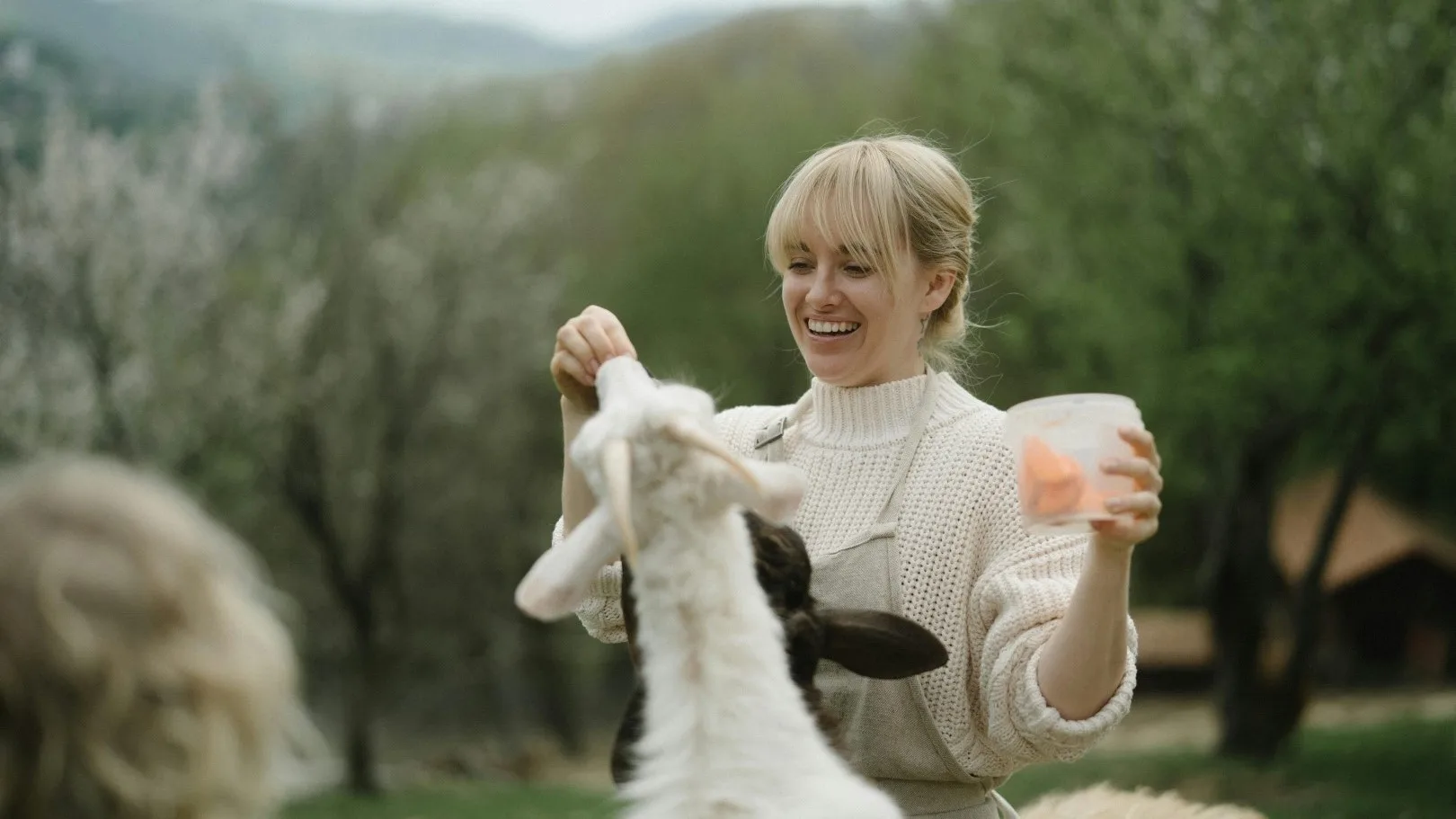
Here’s the thing about goats: they don’t care if you had a plan.
At Bright Spot Counseling, we love bringing therapy outside—especially when it involves goats, horses, and real-life emotional regulation practice. Why? Because animals have a funny way of pulling us into the present moment and into the messiness of being human.
And nothing teaches DBT skills better than trying to convince a very stubborn goat to get back in her pen… and stay there. Just ask Jocelyn Peters, one of our amazing therapists who offers DBT-informed therapy with goats and horses. Spoiler: the goat is winning half the time. But the therapeutic lessons are even better than the victory laps.
So, What Is DBT (and Why Does a Goat Help)?
Dialectical Behavior Therapy (DBT) is all about teaching skills for managing big emotions, navigating relationships, and tolerating distress without losing yourself. It includes four core areas:
- Mindfulness
- Distress Tolerance
- Emotion Regulation
- Interpersonal Effectiveness
These are incredible skills—but sometimes hard to really practice in a traditional office setting. Enter: goats. Goats are unpredictable, curious, and slightly chaotic. They don’t follow scripts or sit politely while you self-soothe. Which makes them perfect for practicing DBT in real time.
Radical Acceptance (a Goat Escaped… Again)
Let’s talk about Radical Acceptance—one of the hardest, most liberating DBT skills. It means fully accepting what’s happening in the moment, even if you don’t like it, can’t change it, and kind of want to scream.
Picture this: You’re in a peaceful session. The sun is out. A client is grounding through breathwork. And suddenly, one goat is halfway across the field, tail wagging, absolutely not interested in your agenda.
Cue the internal chaos.
As Jocelyn walks toward the escapee, she’s not just chasing a goat. She’s modeling emotion regulation, mindfulness, and—yes—Radical Acceptance in action.
“This is happening. I don’t like it. I wish it weren’t happening. And… here we are.”
Instead of spiraling into frustration or shame, Jocelyn takes a breath, regulates her nervous system, and re-centers—because the goat can smell emotional dysregulation from a mile away.
This moment becomes the perfect opportunity for clients to witness how DBT isn’t just theory—it’s a set of real tools for unpredictable, real-life situations. Whether it’s a goat running off, or a conversation with your ex that doesn’t go well, the skill is the same: STOP – Stop, Take a step back, Observe, and Proceed mindfully.
Practicing DBT Skills with Animals
Working with goats and horses allows clients to:
- Practice Mindfulness by tuning into sensory experiences in the barn
- Use Distress Tolerance when a goat gets in their space (or snacks on their notes)
- Strengthen Emotion Regulation in moments of frustration, overstimulation, or unpredictability
- Build Interpersonal Effectiveness by navigating boundaries with animals (and their therapists)
And here’s the beautiful part: clients often say things like,
“If I can stay grounded while a goat is trying to eat my hoodie, I can handle texting my mom back.”
DBT Therapy with Jocelyn Peters at Bright Spot Counseling
Jocelyn Peters offers DBT-informed therapy outdoors with goats and horses through Bright Spot Counseling. She specializes in helping clients with emotion dysregulation, anxiety, depression, and relational struggles—using evidence-based DBT skills, grounded nervous system work, and a deep understanding of how healing happens through connection (even if it’s with a goat named Pearl).
Whether you’re new to DBT or looking for a more embodied, nature-based approach, Jocelyn meets you where you’re at—sometimes literally in the middle of a pasture—with compassion, humor, and a willingness to roll with the unexpected.
Want to experience DBT with goats for yourself?
Reach out to schedule a session with Jocelyn Peters online or call 248.296.3104.