
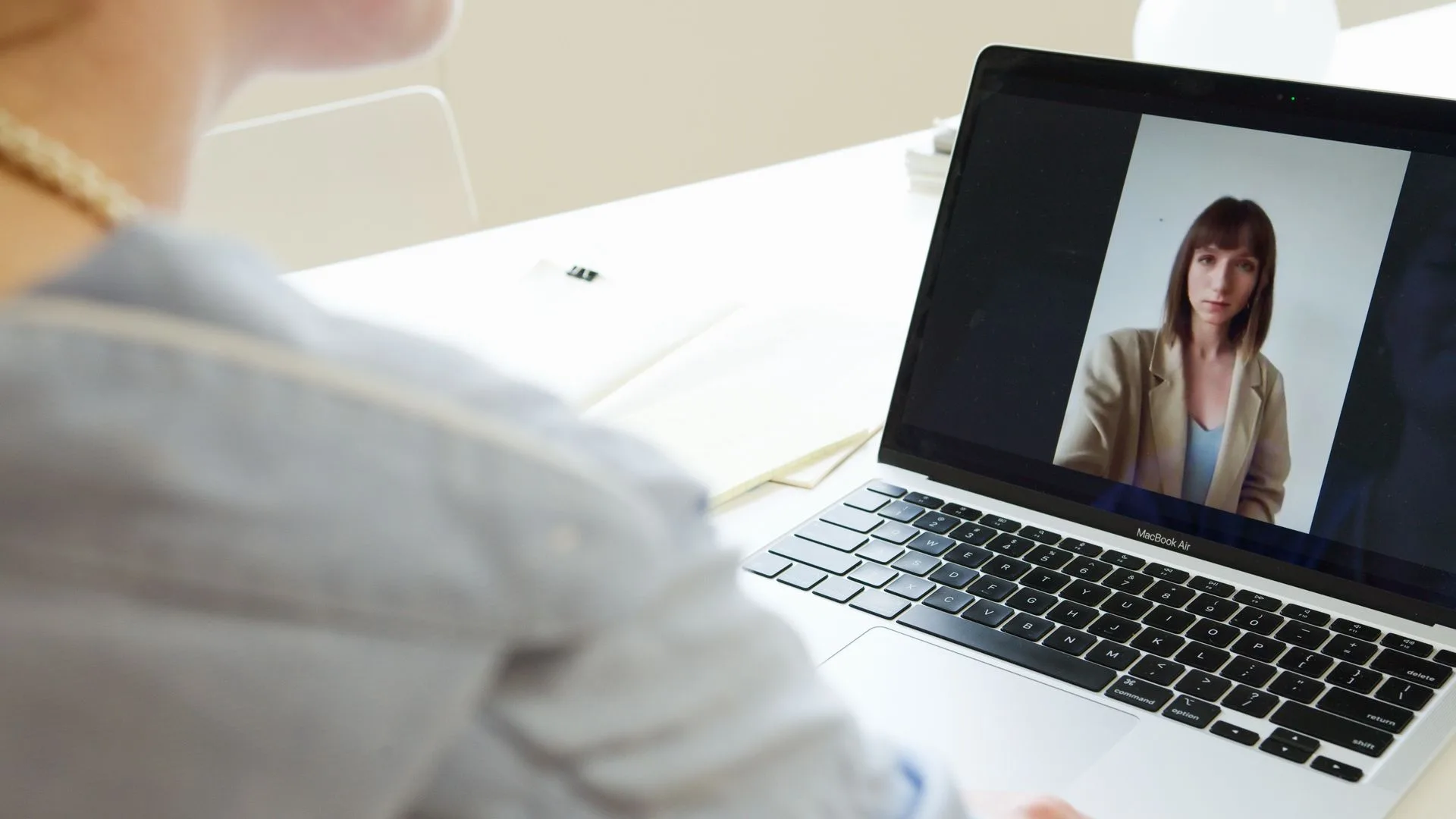
The Question Most People Are Quietly Asking
Online therapy sounds like it should be easier.
No commute.
No waiting room.
No trying to hold yourself together in public before you even sit down.
You log in from your own space, maybe with a cup of coffee, maybe from your car between meetings.
And still—there’s usually a quiet hesitation underneath all of that:
Does this actually work… or does it just feel more convenient?
Because when you’re talking about something as personal as therapy, convenience isn’t really the goal.
You want something that actually helps.
The Short Answer (Without the Sales Pitch)
Yes—online therapy works.
Research consistently shows that virtual therapy is as effective as in-person therapy for many concerns, including:
- anxiety
- trauma
- chronic stress
- depression
But here’s the part that matters more than people expect:
Effectiveness doesn’t come from the format alone.
It comes from how the therapy is done—and who you’re doing it with.
Why Not All Online Therapy Feels the Same
There’s an assumption that all online therapy is basically interchangeable.
It’s not.
There’s a difference between:
working with a local therapy practice (even virtually)
and logging into a large, national platform
Both involve a screen.
But what’s happening behind that screen is very different.
What You Get With a Local Michigan Therapy Practice
When you work with a local practice, even online, you’re still connected to something grounded.
Not just a system—but an actual clinical environment.
1. Clinicians Who Aren’t Working in Isolation
In a group practice, therapists typically have:
- ongoing consultation
- supervision
- access to other clinicians for perspective
Which means your therapist isn’t carrying everything alone.
They’re able to think more deeply about your case.
Notice patterns more clearly.
Adjust the approach when needed.
It’s a quieter layer of support—but it matters.
Because good therapy isn’t just about showing up.
It’s about how carefully the work is being held.
2. Real Humans Outside the Session
This is one of those details you don’t think about—until you notice the difference.
When you reach out to a local practice:
- you’re usually communicating with a real person
- responses feel thoughtful, not automated
- someone helps guide you to the right fit
Not just the next available opening.
It’s subtle.
But it changes how the whole experience feels from the beginning.
3. Care That Feels Individual, Not Standardized
Large platforms are built to scale.
Which means they rely on:
- structured intake systems
- matching algorithms
- consistency across thousands of users
And that can work.
But it can also feel… generalized.
Local practices tend to operate differently.
There’s more room for:
- clinical judgment
- flexibility
- adjusting the process based on you—not a template
It’s less efficient.
And often more effective.
Why Online Therapy Still Works (When It’s Done Well)
Even with those differences, the format itself can be a real advantage.
Online therapy works because:
You’re in Your Own Environment
You’re not adapting to a new space.
You’re already in one your nervous system recognizes.
Which can make it easier to access what’s actually going on.
Consistency Is Easier
Therapy only works if you keep showing up.
Online therapy removes barriers like:
- driving time
- weather
- scheduling friction
Which makes consistency more realistic.
You Can Prioritize Fit Over Location
Instead of choosing from whoever is nearby, you can choose:
someone who specializes in your concerns
someone whose approach actually fits
someone you feel comfortable being honest with
And that matters more than whether they’re down the street.
Can EMDR and Trauma Therapy Be Done Online?
Yes—and this is where people are often surprised.
EMDR and other brain-based therapies can be adapted for virtual sessions using:
- guided eye movements
- tapping
- visual or auditory tools
The structure shifts slightly.
But the goal stays the same:
Helping your brain process what hasn’t been fully resolved.
And for many people, it works just as well.
What Actually Makes Therapy Work
This is the part that tends to get overlooked.
Therapy works because of:
- the relationship
- the depth of the approach
- the therapist’s ability to adapt to you
Not just whether it’s online or in-person.
You can have:
excellent therapy online
or very surface-level therapy in an office
The format isn’t the deciding factor.
The quality of care is.
Online Therapy in Michigan: Getting Started
If you’re in Michigan, online therapy gives you more than convenience.
It gives you the ability to choose carefully.
The right therapist.
The right approach.
The right level of support.
And when those align, the format becomes secondary.
FAQs About Online Therapy
Yes, research shows comparable outcomes for many mental health concerns.
Yes. Working with a local practice can provide more personalized care and better clinical support.
Yes, EMDR can be adapted for virtual sessions and remains effective.
Local practices often provide more individualized care, clinician collaboration, and a more personal experience.